Webinar · Featured

Interpretability in Psychological Models

When
Date to be announced
Where
Online — Microsoft Teams

About This Event

Computational models now sit at the centre of psychological theorising. Yet the word interpretable, attached to cognitive architectures, evidence accumulation models, Bayesian accounts, and now large neural networks alike, has begun to mean very different things to very different people. This event asks what it should mean, and whether a shared notion is even recoverable. We are bringing together speakers from cognitive modelling, machine learning, and the philosophy of science for a structured conversation.

Foundations

What is interpretability, what is it not, and is it graded or binary?

Structure

Which model classes are more interpretable, and why? How do mimicry, auxiliary assumptions, and parameter identifiability complicate the picture?

Relations

How does interpretability relate to explanation, prediction, and generalizability, and can it be disentangled from them?

Speakers

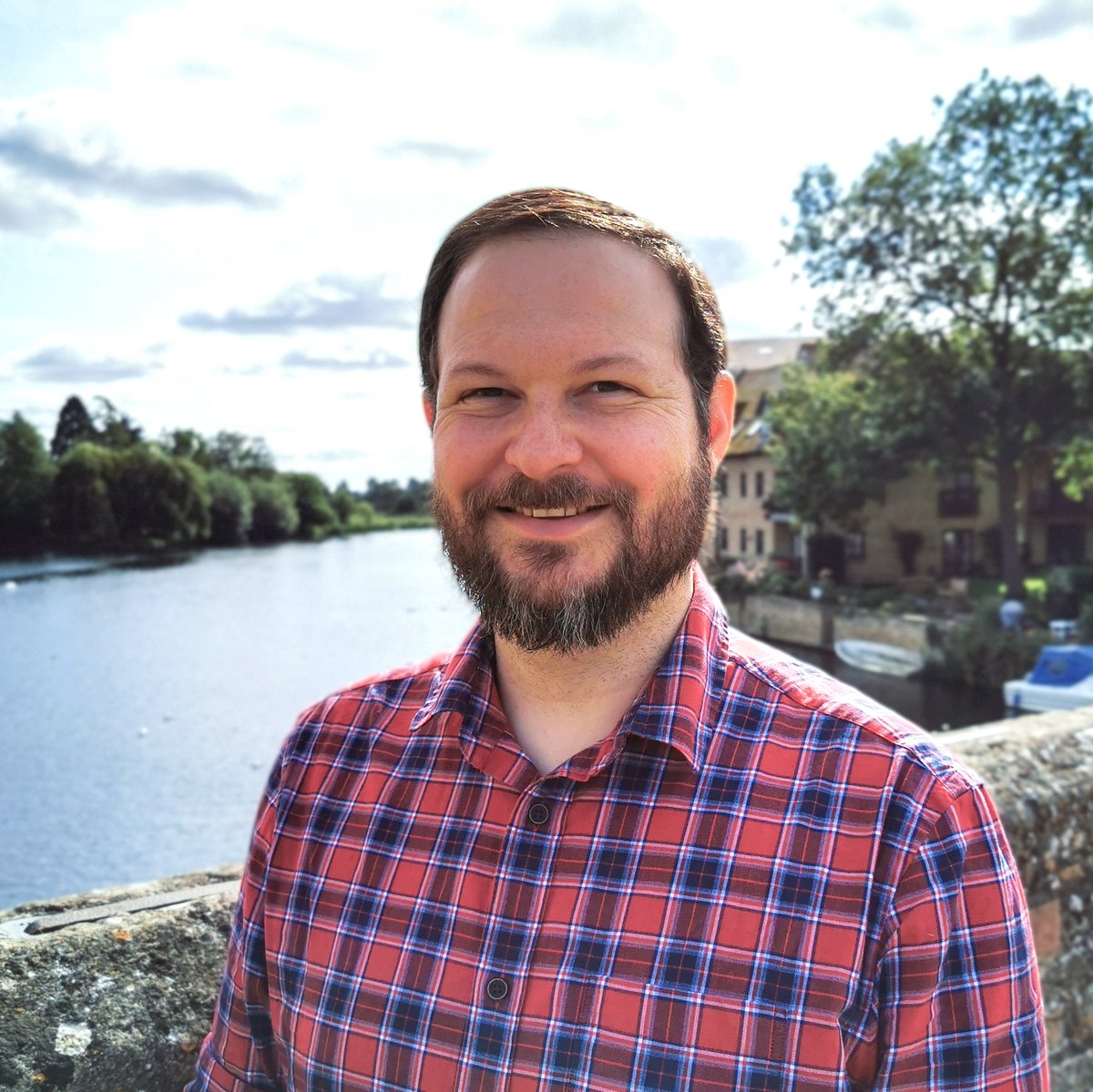
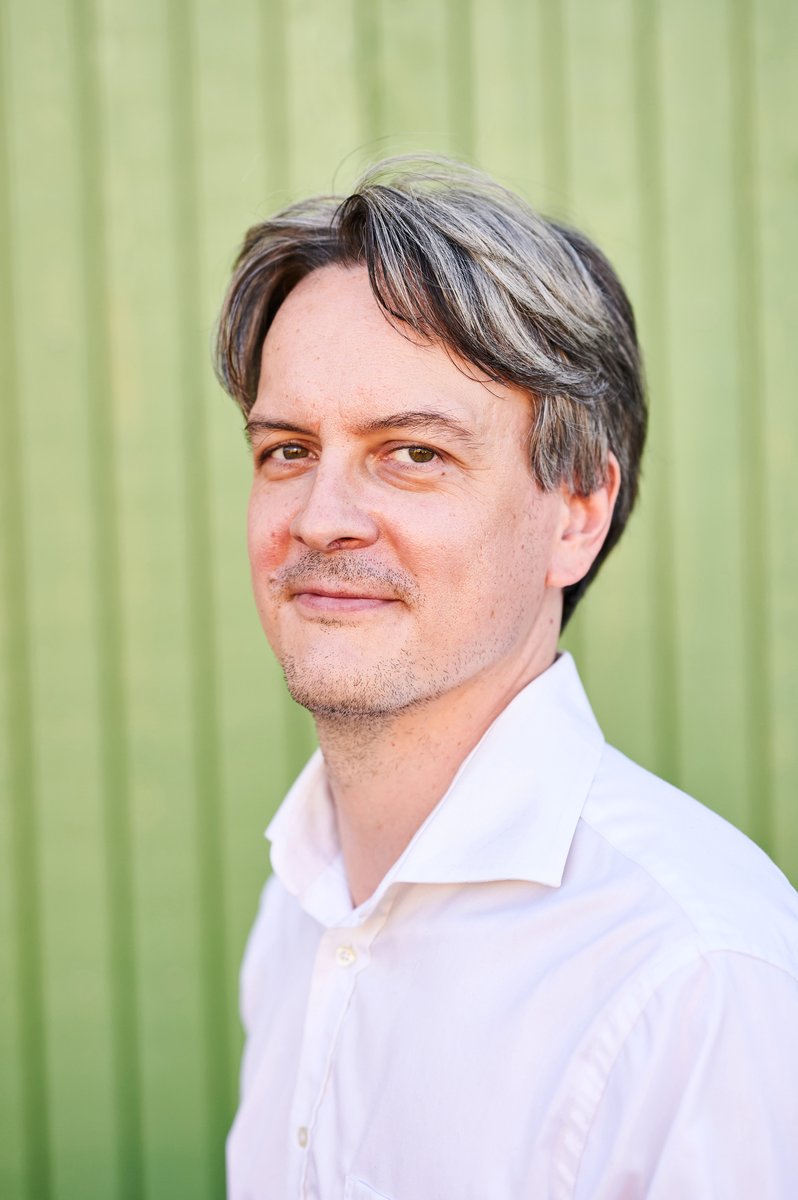
Marcel Binz

Marcel Binz

Helmholtz Munich

Institute for Human-Centered AI

About

Marcel Binz employs state-of-the-art machine learning methods to uncover the fundamental principles behind human cognition. He believes that to get a full understanding of the human mind, it is vital to consider it as a whole and not just as the sum of its parts. His long-term goal is to develop a unified theory of cognition, instantiated in models that can simulate, predict, and explain human behavior across a broad range of domains. Towards this end, he recently led the development of the first foundation model of human cognition.

Personal page
Adrian Erasmus

Adrian Erasmus

University of Alabama

Department of Philosophy

About

Adrian Erasmus is a philosopher of science and assistant professor in the Department of Philosophy at the University of Alabama. Drawing on his training in history and philosophy of science, he uses conceptual analysis, empirical findings, historical case studies, and the application of formal methods to help solve important practical problems in science, medicine, and technology. His specific research interests include conceptual and methodological questions about medical inference, the role of artificial intelligence in clinical decision-making, and the nature and impact of bias in scientific research.

Personal page
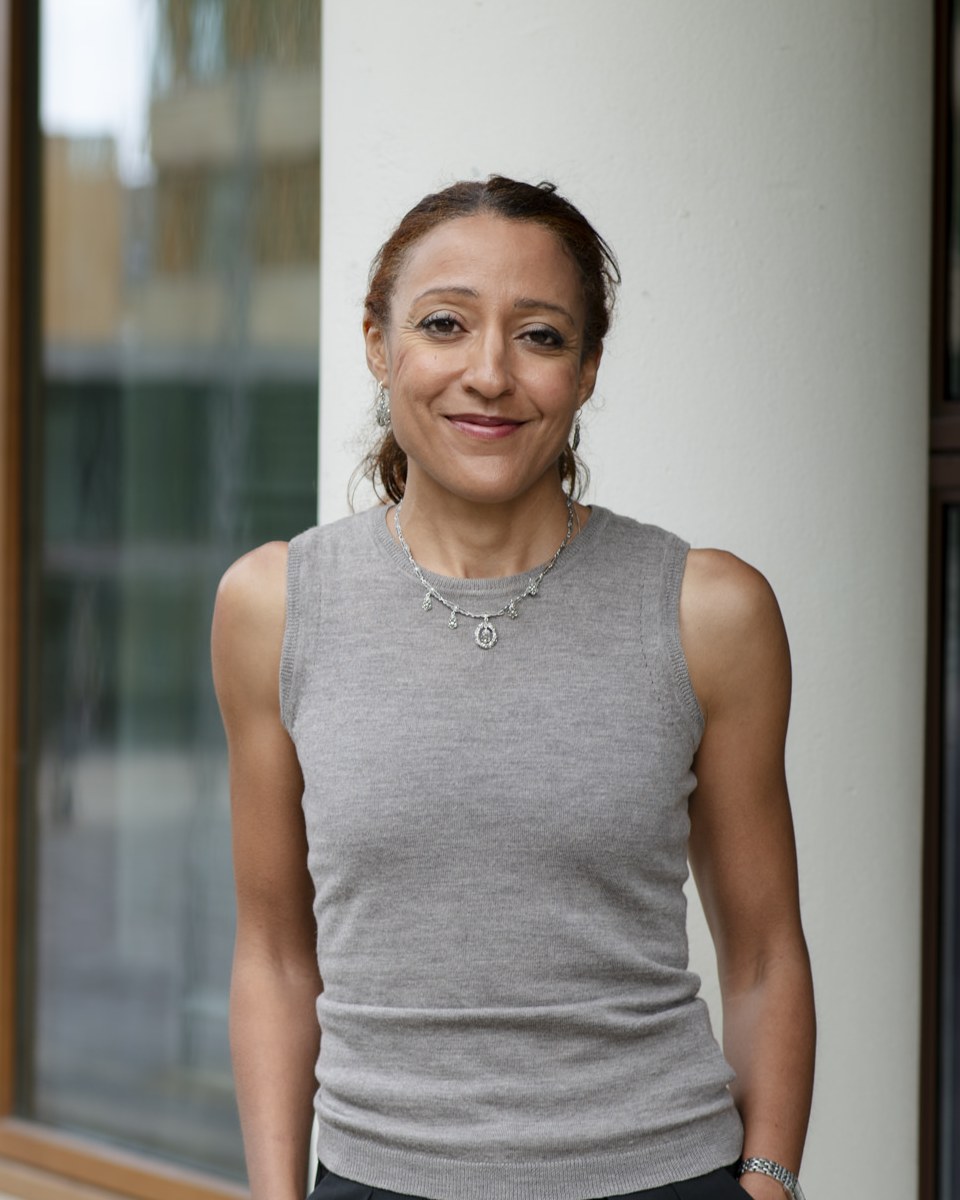
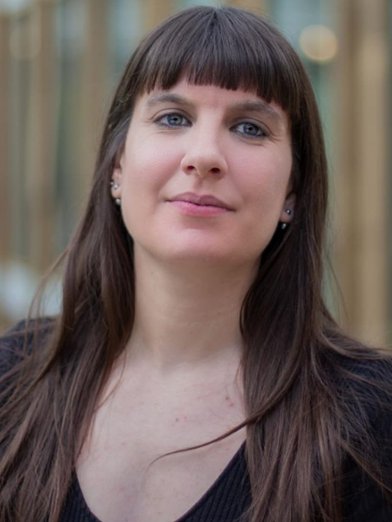
Olivia Guest

Olivia Guest

Radboud University

Donders Centre for Cognition

About

Olivia Guest is a computational cognitive scientist at Radboud University's Donders Centre for Cognition. Her work spans the metatheoretical understanding of computational modeling's scientific role, computationally modeling cognitive capacities such as categorization, and critical perspectives on AI trends. She employs diverse methodologies ranging from artificial neural networks to philosophical approaches.

Personal page
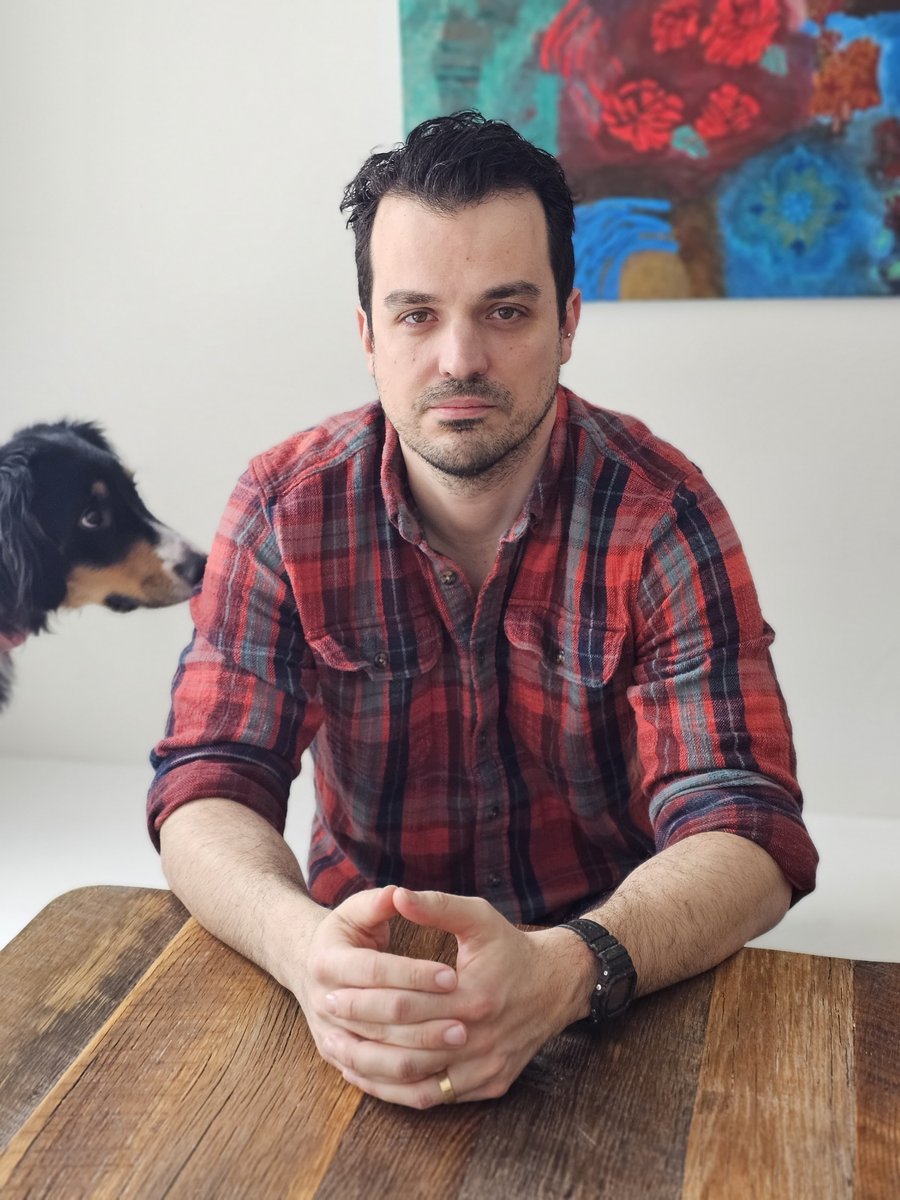
Adam Sanborn

Adam Sanborn

University of Warwick

Behavioural Science Group

About

Adam Sanborn is a cognitive scientist interested in the rationality of human behaviour, which he studies with Bayesian models, approximations to Bayesian models, and behavioural experiments. He is interested in developing general-purpose models of cognition that can explain why human behaviour broadly corresponds to Bayesian models, yet also show strong deviations.

Personal page

Discussion Panel

Sigert Ariens

Sigert Ariens

KU Leuven

Quantitative Psychology and Individual Differences

About

Sigert Ariens is a mathematical psychologist focused on the dynamic paradigm in psychological science. His main areas of research are model interpretation, study design, and misspecification. He has developed a framework and software tools to help researchers interpret dynamic model structures and align them with psychological hypotheses, and works on study designs which aim to maximize the amount of information about the dynamic parameters.

Personal page
Markus Eronen

Markus Eronen

University of Groningen

Department of Theoretical Philosophy

About

Markus Eronen is an associate professor at the University of Groningen (Department of Theoretical Philosophy), working on philosophy of science and the limits and possibilities of developing psychological theories and causal explanations.

Personal page
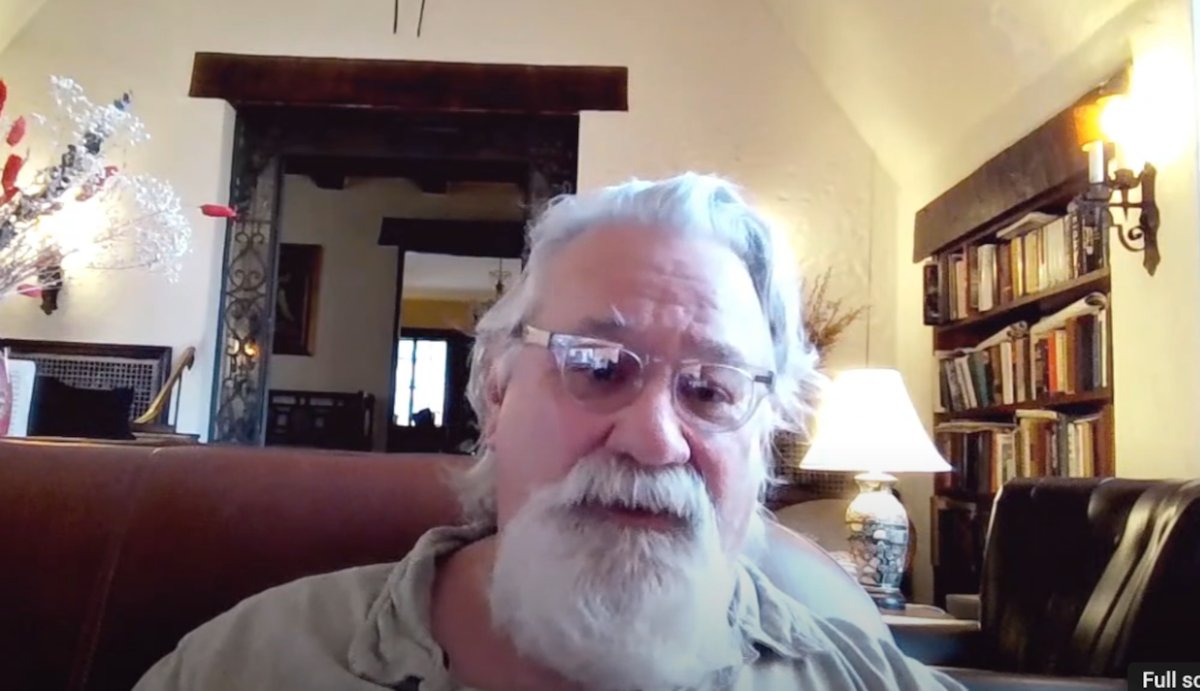
Stephen José Hanson

Stephen José Hanson

Rutgers University

Department of Psychology

About

Stephen José Hanson is a professor of psychology at Rutgers University and director of the Rutgers Brain Imaging Center (RUBIC). His research spans learning theory across humans, animals, and machines, including neural network learning algorithms, computational neuroimaging, and deep learning. He was General Chair of NeurIPS (1992) and a founding member of the McDonnell-Pew Cognitive Neuroscience Advisory Board.

Personal page
Andrew Heathcote

Andrew Heathcote

University of Amsterdam

Amsterdam Mathematical Psychology Laboratory

About

Andrew Heathcote is a cognitive scientist whose work centres on evidence accumulation models of rapid decision-making. He is known for developing the Linear Ballistic Accumulator (LBA), a widely used model for understanding how people make choices across laboratory, occupational, and clinical settings. His research integrates mathematical modelling with cognitive science to investigate memory, skill acquisition, and decision control across the lifespan.

Personal page
David Kellen

David Kellen

Syracuse University

Department of Psychology

About

David Kellen is a cognitive psychologist and associate professor in the Department of Psychology at Syracuse University. His research focuses on recognition memory, judgment and decision making, and the development and evaluation of formal models in cognitive psychology. Much of this work centers on signal detection theory and probabilistic models of choice.

Personal page
Peter Killeen

Peter Killeen

Arizona State University

Department of Psychology

About

Peter Killeen studies choice, schedule-induced behavior, reinforcement schedules, interval timing, and delay and probability discounting, all under the microscope of mathematics. He has received the Poetry in Science Award, the APA Div. 25 Outstanding Researcher Award, the Banco de Santander Research Prize, and the F. J. McGuigan Lecture on Understanding the Human Mind. He was President of the Society of Experimental Psychologists, the Society for the Quantitative Analysis of Behavior, and the Association for Behavior Analysis.

Personal page
Michel Regenwetter

Michel Regenwetter

University of Illinois

Department of Psychology

About

Michel Regenwetter is a Professor of Psychology, Political Science, and Electrical and Computer Engineering at the University of Illinois. He is an affiliate member of the Center for Social and Behavioral Science and of the Coordinated Science Laboratory at Illinois. After having double majored in Psychology and Mathematics at the University of Bonn (Germany), Regenwetter completed a PhD in Mathematical Behavioral Science at UC Irvine (USA). Regenwetter received the 1999 Young Investigator Award of the Society for Mathematical Psychology, co-received the 2012 Exeter Prize for Research in Experimental Economics, Decision Theory, and Behavioral Economics, and is an elected fellow of both the Association for Psychological Science and of the Psychonomic Society. He has co-authored an award-winning book as well as numerous journal articles spanning several scientific disciplines. Regenwetter's research revolves around modeling heterogeneity of behavior, especially in decision making, as well as meta-theory, especially scientific reasoning fallacies that plague behavioral research.

Personal page
Francis Tuerlinckx

Francis Tuerlinckx

KU Leuven

Quantitative Psychology and Individual Differences

About

Francis Tuerlinckx is a psychometrician and professor of Quantitative Psychology and Individual Differences at KU Leuven in Belgium. His research deals with the mathematical modeling of various aspects of human behavior. More specifically, he works on item response theory, reaction time modeling, and dynamical systems data analysis.
Personal page
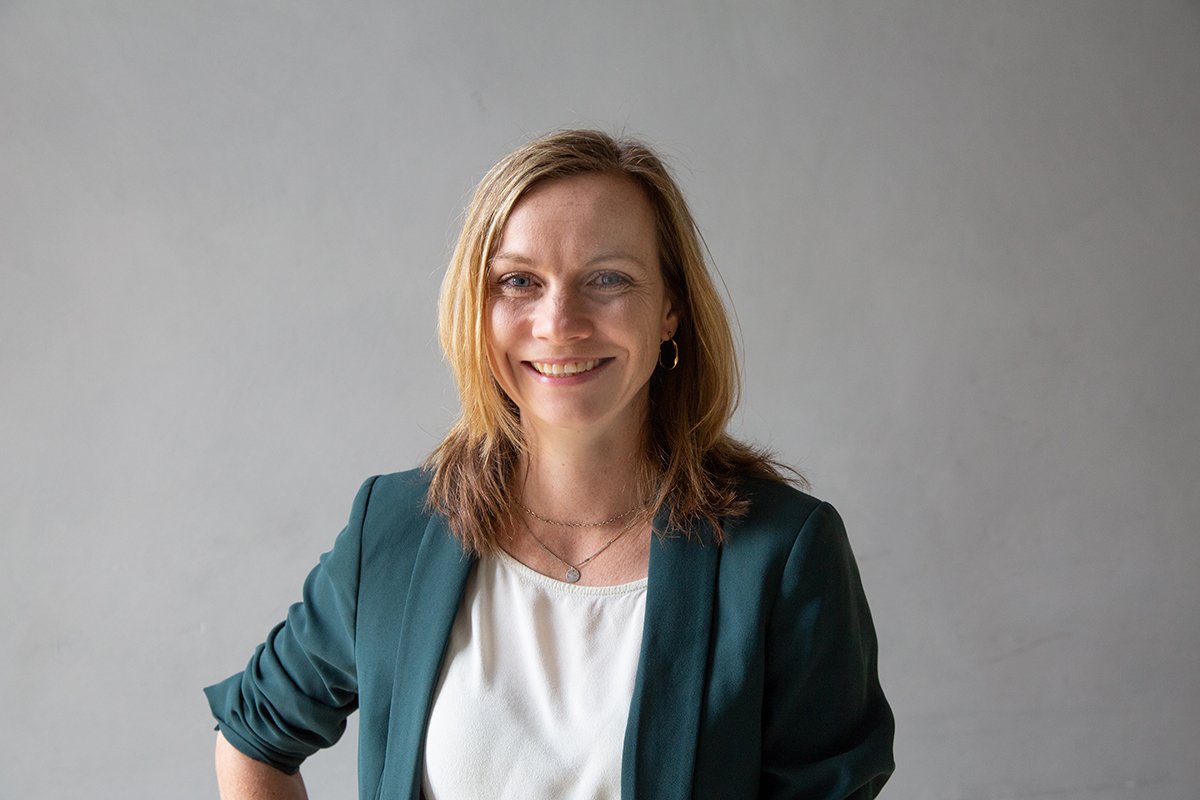
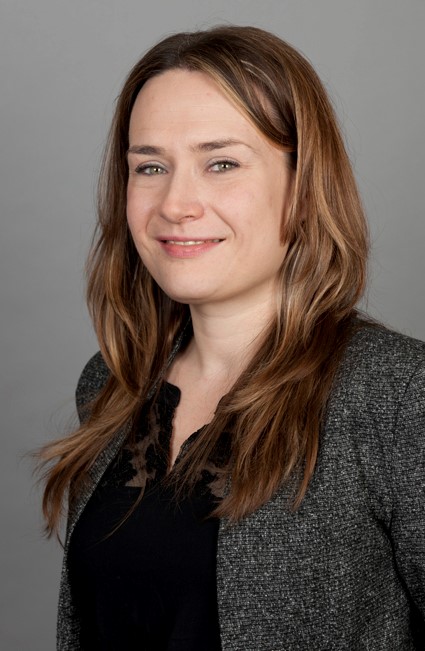
Wenjia Joyce Zhao

Wenjia Joyce Zhao

University of Warwick

Behavioural Science Group

About

Wenjia Joyce Zhao is an assistant professor in Psychology at the University of Warwick. Before joining Warwick, she received her PhD in Psychology from the University of Pennsylvania and worked as a postdoctoral researcher at The Ohio State University. Her research studies the cognitive basis of decision making using behavioural experiments, process-tracing methods, and mathematical and computational models. Her work focuses on how decision makers integrate information over time, including through sequential sampling models, and how people search for information internally from memory or externally from information displays.

Personal page
TBC

To Be Confirmed

TBC

To Be Confirmed

TBC

To Be Confirmed

TBC

To Be Confirmed

TBC

To Be Confirmed

TBC

To Be Confirmed

TBC

To Be Confirmed

Programme

Four short talks, each followed by a guided discussion with an invited panel. The event closes with an open audience Q&A.

  • Talk 1. ~15 min presentation followed by 30 min guided discussion
  • Talk 2. ~15 min presentation followed by 30 min guided discussion
  • Talk 3. ~15 min presentation followed by 30 min guided discussion
  • Talk 4. ~15 min presentation followed by 30 min guided discussion
  • Audience Q&A. 20 min

Total runtime: approximately 3.5 hours, including a brief introduction and wrap-up.

How to Attend

Speakers (invited). Give a short talk on interpretability from your own perspective.

Discussion panel (invited experts). Respond to the talks, challenge speakers, raise new points, and guide the conversation.

Open audience (public registration). Anyone interested in the topic is welcome to register and attend. Audience members can ask questions during the final Q&A.

Recording

The event will be recorded for internal reference by the coordinating team. The recording will not be made publicly available.