People
Each group is ordered alphabetically by last name.
Coordinating Team
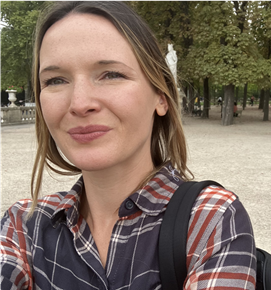
Maria Robinson
University of Warwick
Behavioural Science Group
Maria Robinson is an assistant professor in the Behavioral Science group in the Psychology Department at the University of Warwick. Her primary research interest is in combining formal modeling and analysis with empirical work to study a range of cognitive processes, including attention, memory, and metacognition. She is also interested in best practices in measurement and theory assessment in psychology, particularly in how to build quantitative models in laboratory settings that can generalize to behavior in the real world.
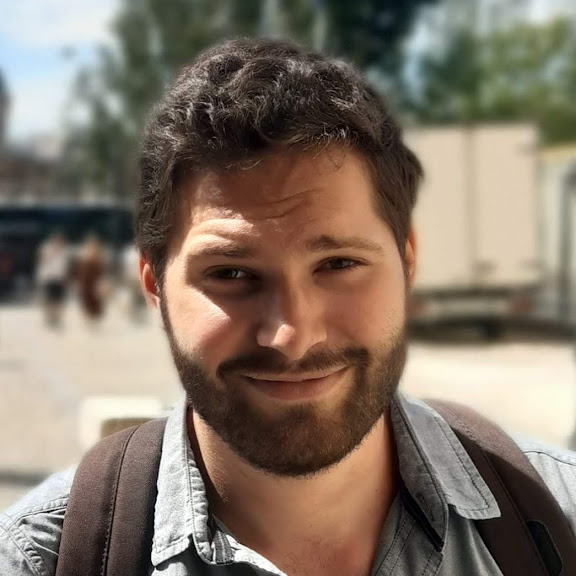
Niels Vanhasbroeck
University of Amsterdam
Psychological Methods
Niels Vanhasbroeck is a mathematical psychologist with a special interest in (non)linear models capturing psychological processes such as emotions, attitudes, and pedestrian behavior. He seeks to bridge mathematical models and psychological theory, allowing for the formulation of theory through the language of mathematics and its testing through phenomena generation and direct engagement with data. He furthermore asks what types of psychological phenomena allow for mathematical description and what we learn through this quantification—connecting qualitative phenomena to quantitative measurement.

Kenny Yu
KU Leuven
Quantitative Psychology and Individual Differences
Kenny Yu is a mathematical psychologist who investigates the conditions under which computational models of cognition live up to their claims — that behavior can be decomposed into distinct processes, that model parameters correspond to the processes they purport to measure, and that fitting data constitutes evidence for theory. He builds probabilistic models of human learning and generalization that formally separate the cognitive mechanisms contributing to observed behavior. Methodologically, he asks when a model parameter genuinely measures the process it names, what data is needed to tell competing theories apart, and how model generalisability relates to explanatory power.
Network Members

Sigert Ariens
KU Leuven
Quantitative Psychology and Individual Differences
Sigert Ariens is a mathematical psychologist focused on the dynamic paradigm in psychological science. His main areas of research are model interpretation, study design, and misspecification. He has developed a framework and software tools to help researchers interpret dynamic model structures and align them with psychological hypotheses, and works on study designs which aim to maximize the amount of information about the dynamic parameters. His work on misspecification criticizes atheoretic methods for handling dependence over time.

Aaron S. Benjamin
University of Illinois Urbana-Champaign
Department of Psychology
Aaron S. Benjamin is Professor at the University of Illinois Urbana-Champaign, where he holds appointments in the Department of Psychology, the Program in Neuroscience, and the Beckman Institute for Advanced Science and Technology. Benjamin’s research program addresses basic and applied questions in human cognition. He uses empirical and computational approaches to understanding attention, learning, memory, and decision-making.

Laura Bringmann
University of Groningen
Department of Psychometrics and Statistics
Laura Bringmann is an associate professor at the Department of Psychometrics and Statistics at the University of Groningen, and heads the LaBlab (Laura Bringmann's intensive longitudinal data lab). Her research focuses on bridging the gap between fields such as statistics, philosophy, methodology, and clinical psychology.

Tyler Brunet
University of Exeter
Egenis, the Centre for the Study of the Life Sciences
Tyler Brunet is a philosopher of science working in the philosophy of biology (molecular biology) and the philosophy of technology (AI and robotics). In both areas he brings strange and interesting empirical examples to bear on traditional philosophical problems: what synthetic macromolecules imply about the possibility of subjective experience in machines, what achlorophyllous orchid symbioses tell us about the nature of selection, and what generative AI tells us about the nature of explanation. He also does technical work in evolutionary theory, on evolutionary neutrality and on evolutionary reticulation in molecular and microbiological evolution. In logic he focuses on modal logics, applications of logic within metaphysics, and the use of category theory within modal semantics, having given a categorial perspective on modal (counterfactual) accounts of causation and on modal realism. Much of this work is motivated by taking a “local” approach to problems that are typically examined globally — a local account of causation, or of ontological primitives — alongside purely technical work on metalogical relationships between coalgebraic logics.
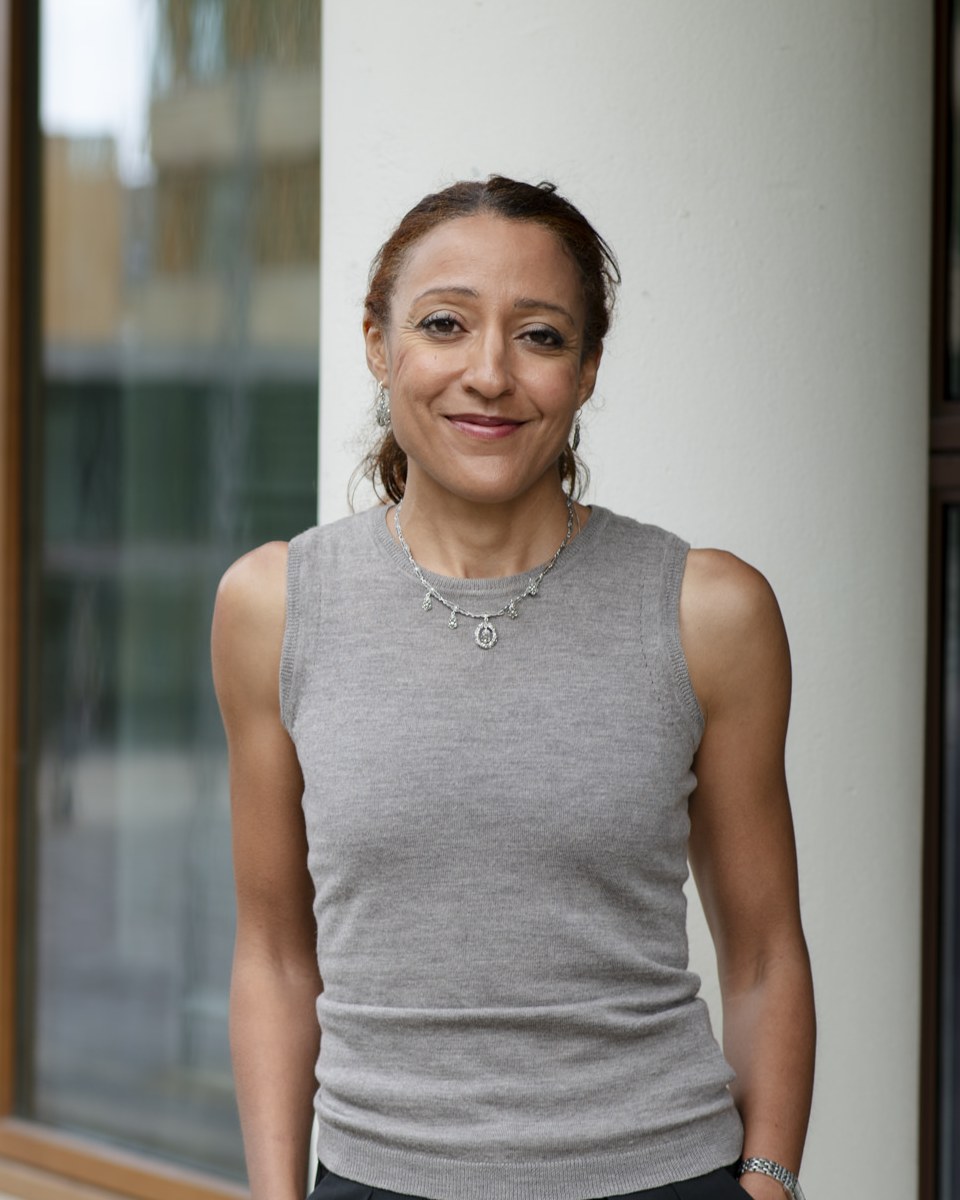
Photo: Julie Broadfoot
Mazviita Chirimuuta
University of Edinburgh
Department of Philosophy
Mazviita Chirimuuta was awarded a PhD in visual neuroscience from the University of Cambridge and was a post-doc in Philosophy at Monash University and Washington University in St. Louis. She is Senior Lecturer in Philosophy at the University of Edinburgh. Before then she was Associate Professor in History and Philosophy of Science at the University of Pittsburgh. She writes on conceptual and methodological topics within the mind/brain sciences, including perception and computational modelling, taking a historical approach. Her two books Outside Color: Perceptual Science and the Puzzle of Color in Philosophy (2014) and The Brain Abstracted: Simplification in the History and Philosophy of Neuroscience (2024) are published with MIT Press. Outside Color argues for a novel relational and process-based theory of colour ontology, drawing on recent vision science. The Brain Abstracted argues that computational models in neuroscience are radical simplifications of neuro-biological processes and should not be interpreted as evidence for claims that cognition literally is a form of computation. It was awarded the Nayef Al-Rodhan prize for trans-disciplinary philosophy from the Royal Institute of Philosophy in 2024 and the Lakatos Award from the London School of Economics in 2025.

Greg Cox
University at Albany, SUNY
Laboratory for Integrative Neuro-Cognitive Dynamics
Greg Cox is a cognitive scientist who studies how perception, memory, learning, and decision making unfold together over time to give rise to knowledge and action. In his lab he pairs detailed behavioural measures—response times, speed–accuracy trade-offs, motor trajectories, and eye movements—with mathematical and computational models of how retrieval and decision processes evolve moment to moment. Much of his work reconstructs memory in the psychological space recovered from behaviour, treating retrieval as the overlap between a current percept and the coverage that experience has laid down, so that perceptual similarity and association carry a measured rather than a freely fitted interpretation. He is broadly interested in the links between episodic and semantic memory and in the principled, invariance-respecting formulation and comparison of cognitive models.

Clintin Davis-Stober
University of Missouri
Department of Psychological Sciences
Clintin Davis-Stober is a Professor of Psychological Sciences at the University of Missouri and Editor-in-Chief of the Journal of Mathematical Psychology. His research lies at the intersection of mathematical psychology, judgment and decision making, and quantitative methodology. He develops and applies formal models to understand human decision making, with particular interests in rationality, preference, scientific inference, and the evaluation of human and artificial intelligence. His recent work examines the foundations of reliable scientific inference and the use of decision-theoretic principles for evaluating AI systems.

Marina Dubova
UC Berkeley
Cognitive Epistemology Lab
Marina Dubova is an assistant professor at UC Berkeley, where she directs the Cognitive Epistemology Lab. She studies the cognitive mechanisms of scientific discovery, using computational modeling and empirical work with scientists to understand how we actually observe and build theories about the world, and how we ought to.

Markus Eronen
University of Groningen
Department of Theoretical Philosophy
Markus Eronen is an associate professor at the University of Groningen (Department of Theoretical Philosophy), working on philosophy of science and the limits and possibilities of developing psychological theories and causal explanations.

Yiou He
Syracuse University
Department of Psychology
Yiou He is a cognitive psychology PhD student at Syracuse University, working with Dr. David Kellen. Her current research uses formal modeling to study memory and confidence judgments. She is broadly interested in various methodological issues surrounding model evaluation and behavioral inference.
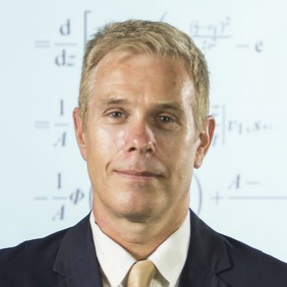
Andrew Heathcote
University of Amsterdam & University of Newcastle
Amsterdam Mathematical Psychology Laboratory
Andrew Heathcote is a cognitive scientist whose work centres on evidence accumulation models of rapid decision-making. He is known for developing the Linear Ballistic Accumulator (LBA), a widely used model for understanding how people make choices across laboratory, occupational, and clinical settings. His research integrates mathematical modelling with cognitive science to investigate memory, skill acquisition, and decision control across the lifespan.
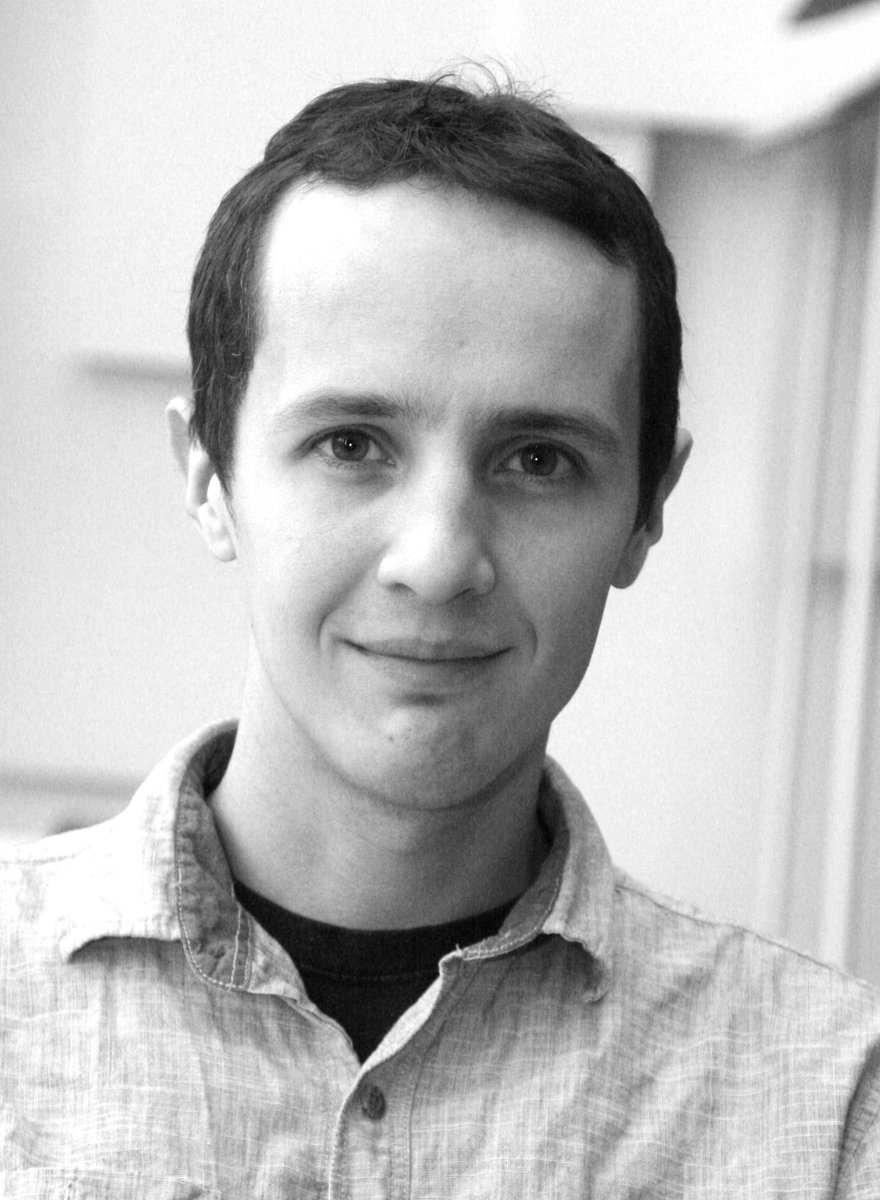
Craig Hedge
Aston University
School of Psychology
Craig Hedge is a cognitive psychologist interested in attention control and decision-making. He is particularly interested in whether cognitive modelling improves our ability to predict and explain individual differences in real-world behaviours, relative to traditional behavioural measures.

Liqiang Huang
Chinese University of Hong Kong
Department of Psychology
Liqiang Huang is a professor at the Chinese University of Hong Kong. His research relies on large-scale experiments—typically requiring 20,000–40,000 hours of data collection—to investigate cognitive mechanisms in depth. His approach begins with stimulus-driven, rather than theory-driven, experimental design, and proceeds through data-guided yet theory-oriented, iterative, and exploratory model building.
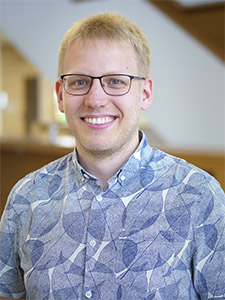
Fabian Hutmacher
University of Würzburg
Psychology of Communication and New Media
Fabian Hutmacher is a Senior Scientist at the University of Würzburg, Germany. His research aims to advance our understanding of the psychology of the digital age. He investigates how people remember their lives, construct their identities, navigate digital environments, and evaluate the vast amount of information — and misinformation — they encounter online. His work integrates theories and methods from social, cognitive, and media psychology. He also has a keen interest in meta-science and in thinking about how psychological theories and concepts can be improved.
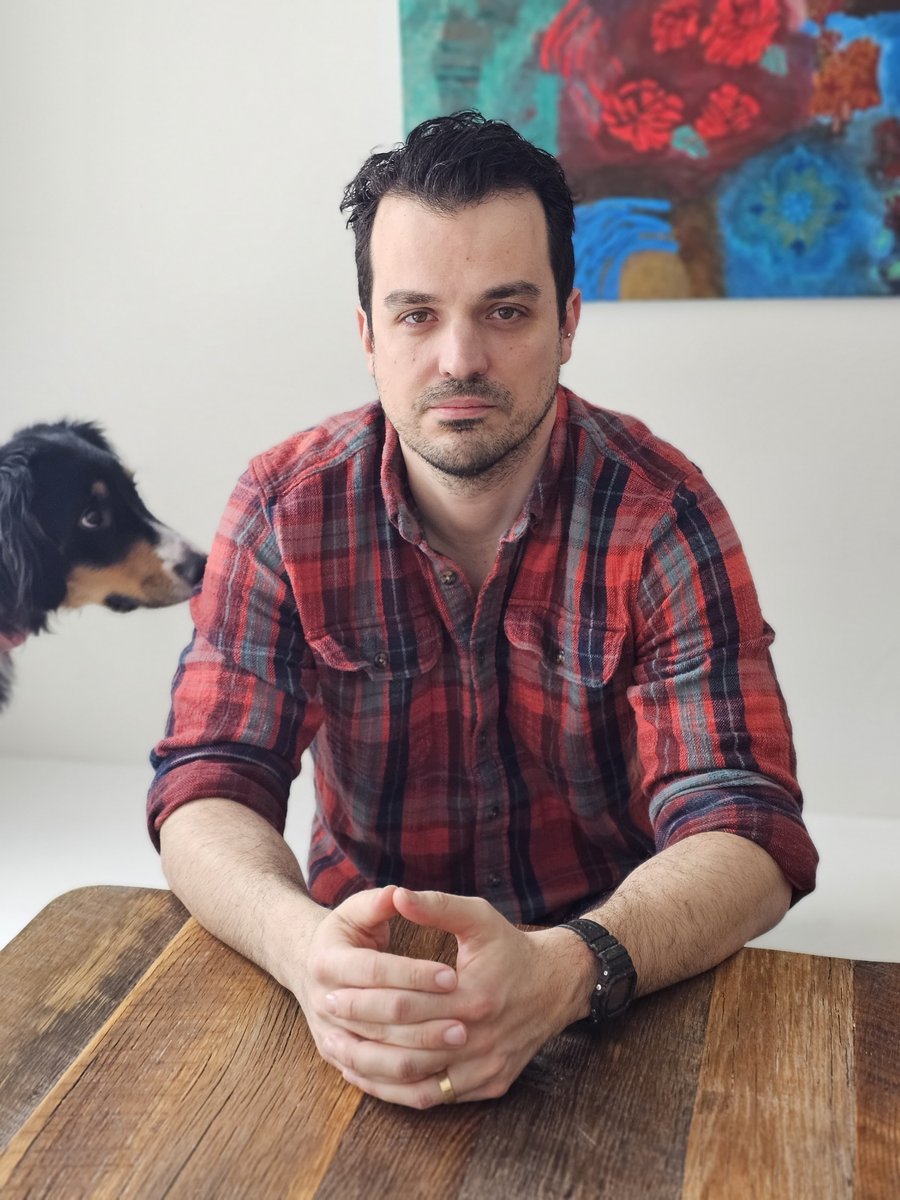
David Kellen
Syracuse University
Department of Psychology
David Kellen is a cognitive psychologist and associate professor in the Department of Psychology at Syracuse University. His research focuses on recognition memory, judgment and decision making, and the development and evaluation of formal models in cognitive psychology. Much of this work centers on signal detection theory and probabilistic models of choice.

Peter Kvam
The Ohio State University
Department of Psychology
Peter Kvam is an Associate Professor in the Psychology Department at The Ohio State University. He received his B.S. in Psychology and B.A. in Mathematics and Sociology from Indiana University in 2012 and his Ph.D. in Psychology from Michigan State University in 2017. After visiting positions at the Max Planck Institute in Berlin and the University of Tasmania, he completed postdoctoral fellowships at Indiana University and The Ohio State University in 2017–2019. He was previously a faculty member at the University of Florida from 2019–2024 before joining the department in 2024. His work investigates the cognitive mechanisms underlying many types of decisions, ranging from visual perception to judgments about the value of complex multi-attribute consumer products. His current focus is on how people navigate complex, dynamic, multi-alternative and continuous decisions, such as bidding for homes in competitive housing markets where options appear and disappear over time. As part of this effort, he uses machine learning and artificial intelligence to test and create computational models of human behavior, allowing new theories of latent (cognitive, neural) processes to be developed in a data-driven way.

Tzu-Yao Lin
KU Leuven & Maastricht University
Quantitative Psychology and Individual Differences · Methodology and Statistics
Tzu-Yao Lin is a joint PhD candidate at KU Leuven (Quantitative Psychology and Individual Differences) and Maastricht University (Department of Methodology and Statistics). His research investigates the conceptual and methodological foundations of measurement reliability in multilevel and intensive longitudinal designs. He examines what it fundamentally means for repeated measurements to be reliable across occasions and individuals, where hierarchical dependencies and temporal dynamics complicate conventional psychometric indices. Beyond longitudinal psychometrics, he also works on mathematical and computational models of judgment and decision-making, such as extending cultural consensus theory with threshold models.
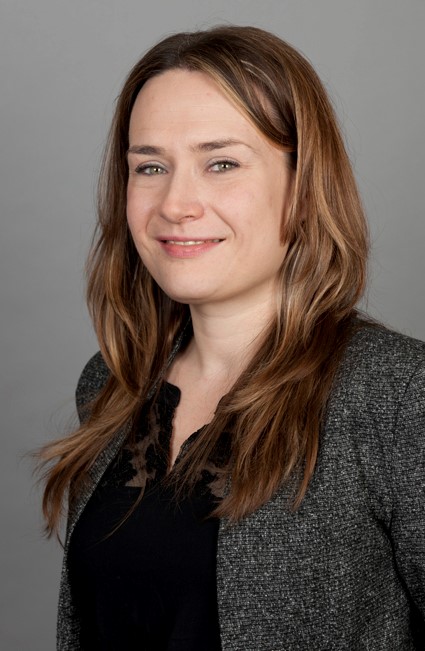
Dora Matzke
University of Amsterdam
Psychological Methods
Dora Matzke is an Associate Professor in the Department of Psychology at the University of Amsterdam and Chair of the Psychological Methods Unit. Her research combines cognitive modeling with mathematical and computational methods to improve the measurement of cognitive abilities, particularly in the domains of decision making and cognitive control. Her recent work, funded by an ERC Consolidator Grant from the European Research Council, examines how cognitive performance fluctuates across time scales ranging from seconds to months. This work brings together dynamic evidence-accumulation models, models of practice and forgetting, and biological mathematical models of alertness to understand how momentary states, learning, and circadian rhythm jointly shape cognition. In 2015, Dr. Matzke was recognized as a Rising Star by the Association for Psychological Science and received the inaugural Leamer-Rosenthal Prize for Emerging Researchers from the Berkeley Initiative for Transparency in the Social Sciences. She has received Early Career Awards from the Society for Mathematical Psychology, the Psychonomic Society, the Society for Experimental Psychology and Cognitive Science (American Psychological Association), and the Federation of Associations in Behavioral and Brain Sciences. In 2018, she was elected a fellow of the Young Academy of the Royal Netherlands Academy of Arts and Sciences. Dr. Matzke served on the Executive Board of the Society for Mathematical Psychology from 2019 to 2025. Since 2024, she has been serving as Editor-in-Chief of Behavior Research Methods.

Andrew Perfors (Andy)
University of Melbourne
Complex Human Data Hub
Andrew Perfors is the Director of the Complex Human Data Hub in the School of Psychological Sciences at the University of Melbourne. He uses computational models of the mind, in combination with behavioural experiments, to study human cognition: how we acquire and use concepts and language, how we make decisions, how we learn from and share information with each other, and how that process of collaborative meaning-making changes the information environment itself. Andy has many thoughts about the role of models and computation in cognitive science, not just in terms of epistemology (what do they tell us, and how can they best be used?) but also given the real-world incentives and power structures that science is embedded in.

Tobias Rebholz
Duke University
Fuqua School of Business
Tobias Rebholz is a Walter Benjamin Fellow and Visiting Research Scholar at Duke University’s Fuqua School of Business. He earned his PhD in 2023 through the German research training group Statistical Modeling in Psychology. His research focuses on developing and applying quantitative, computational, and open methods for behavioral research in judgment and decision-making, social cognition, and human-computer interaction. His recent work investigates how users use information sampled from AI assistants designed to promote institutional objectives and norms among stakeholders.

Adam Sanborn
University of Warwick
Behavioural Science Group
Adam Sanborn is a cognitive scientist interested in the rationality of human behaviour, which he studies with Bayesian models, approximations to Bayesian models, and behavioural experiments. He is interested in developing general-purpose models of cognition that can explain why human behaviour broadly corresponds to Bayesian models, yet also show strong deviations.
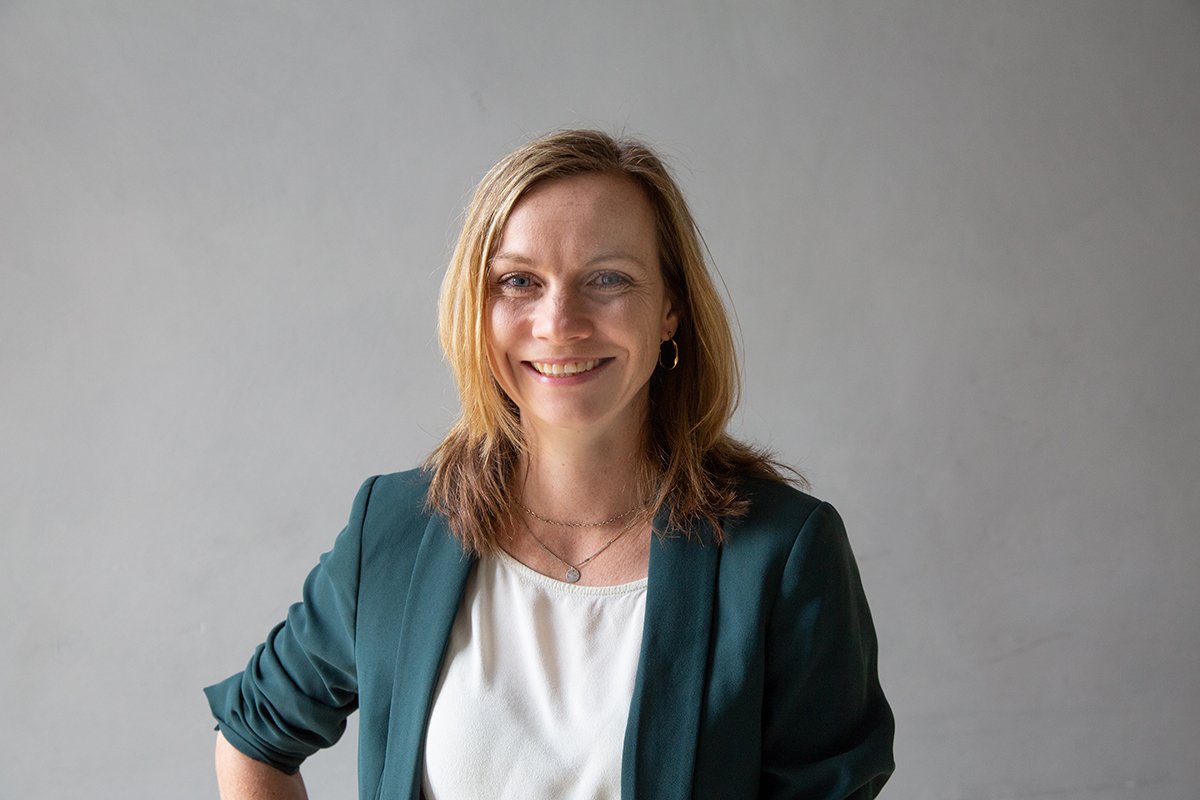
Marie-Ann Sengewald
FAU Erlangen-Nürnberg
Department of Psychology
Marie-Ann Sengewald is an assistant professor at Friedrich-Alexander-Universität (FAU) Erlangen-Nürnberg and a research associate at the Leibniz Institute for Educational Trajectories (LIfBi). Her research advances quantitative methods in psychometrics, causal inference, and metascience. She is particularly interested in developing methodological approaches that help researchers strengthen scientific evidence by ruling out alternative explanations and addressing challenges such as measurement error, missing data, and other sources of uncertainty that can affect the quality of research findings.

Henrik Singmann
University College London
Department of Experimental Psychology
Henrik Singmann is an associate professor at the Department of Experimental Psychology at UCL with an interest in applied and computational statistics. His research focuses on formal and computational approaches to human cognition, particularly reasoning, decision making, and memory. In addition to his substantive work, he is known for his statistical modelling work using R, for which he has developed several packages, most prominently afex, bridgesampling, and rtdists.
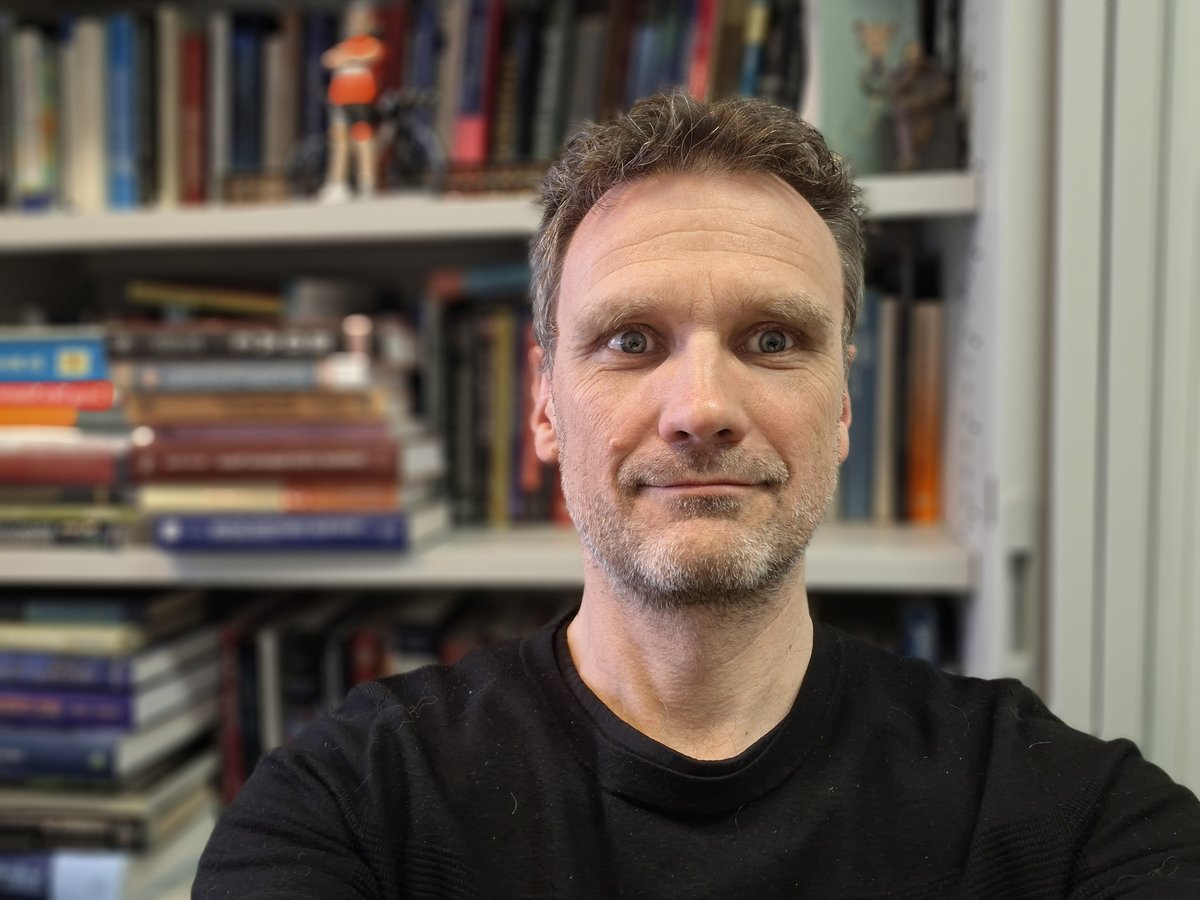
Francis Tuerlinckx
KU Leuven
Quantitative Psychology and Individual Differences
Francis Tuerlinckx is a psychometrician and professor of Quantitative Psychology and Individual Differences at KU Leuven in Belgium. His research deals with the mathematical modeling of various aspects of human behavior. More specifically, he works on item response theory, reaction time modeling, and dynamical systems data analysis.
Brandon Turner
The Ohio State University
Model-based Cognitive Neuroscience Lab
Brandon Turner is a professor in the Psychology Department at The Ohio State University, where he leads the Model-based Cognitive Neuroscience Lab. His research interests include dynamic models of cognition and perceptual decision making, efficient methods for performing likelihood-free and likelihood-informed Bayesian inference, and unifying behavioral and neural explanations of cognition. His current focus is on understanding how selective attention causes “cognitive inertia”, a pattern of information search that is dictated by previous allocations of attention, and how curated information (e.g., Google, YouTube) can harm or distort learning.

Joachim Vandekerckhove
University of California, Irvine
Department of Cognitive Sciences
Joachim Vandekerckhove (PhD 2009, University of Leuven, Belgium) is a Full Professor at the University of California, Irvine, where he has appointments at the Department of Cognitive Sciences, Department of Statistics, and the Department of Logic & Philosophy of Science. He is also a Senior Fellow of the National Research Council. He is an internationally recognized expert in statistical and experimental methodology as well as in cognitive and behavioral modeling, and lectures and consults on these topics for clients in the academic, public, and private sector. Vandekerckhove has authored over 90 academic publications and is the developer of multiple popular software packages for cognitive model fitting and evaluation. His research focuses on the measurement of cognitive processes and involves cognitive modeling, psychometrics, meta-science, and the development of robust research methods that improve on classical methods with modern technologies. He has held a number of service roles, including guest editing for Psychonomic Bulletin & Review and the Proceedings of the National Academy of Science, serving on the editorial boards of Psychonomic Bulletin & Review, Behavior Research Methods, and Journal for Mathematical Psychology. Since 2018, he has served as the standing Conference Chair for the Society for Mathematical Psychology, which organizes three annual events, including a Psychonomics satellite meeting.
Wolf Vanpaemel
KU Leuven
Quantitative Psychology and Individual Differences
Wolf Vanpaemel is head of the Research Group of Quantitative Psychology and Individual Differences at KU Leuven. His research is situated within mathematical psychology and centers on methodological and metascientific issues, including Bayesian statistics, and the concept of the data prior as a tool for severe theory testing. He recently authored a resource for scrutinizing and replicating studies: Evaluating and replicating studies: A practical guide (available at earsguide.io).

Yufei Wu
KU Leuven
Quantitative Psychology and Individual Differences
Yufei Wu is a PhD student in the Research Group of Quantitative Psychology and Individual Differences at KU Leuven. Her research focuses on applying amortized Bayesian inference methods to cognitive modeling and the modeling of reaction time data. As simulation-based inference makes Bayesian inference feasible for an increasingly broad class of models, she is interested not only in developing efficient inference methods, but also in understanding the assumptions and interpretation of the models to which these methods are applied.
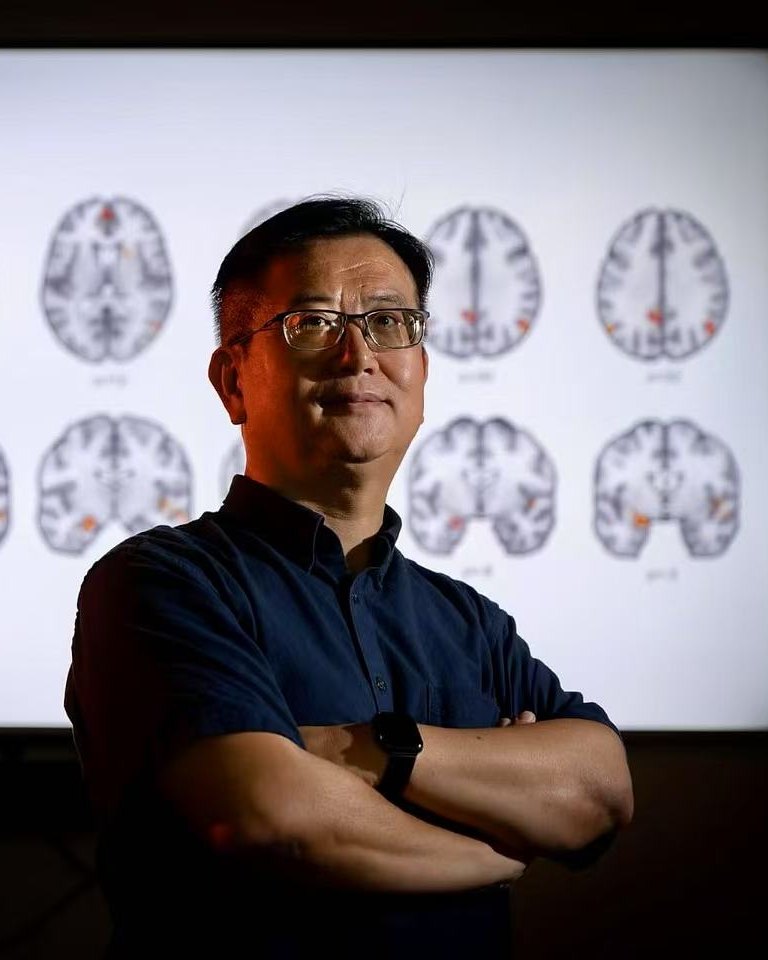
Weiwei Zhang
University of California, Riverside
Department of Psychological and Brain Sciences
Weiwei Zhang is Professor of Psychology at the University of California, Riverside and an APS Fellow. His research examines the nature and limits of mental representations, with a particular focus on visual working memory, long-term memory, attention, and decision making. His lab combines behavioral experiments with computational modeling, eye tracking, EEG/fMRI, and non-invasive brain stimulation to understand how the precision and accessibility of internal representations shape cognition in healthy and clinical populations.
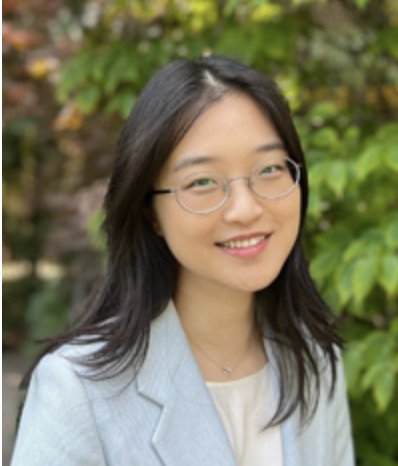
Wenjia Joyce Zhao
University of Warwick
Behavioural Science Group
Wenjia Joyce Zhao is an assistant professor in Psychology at the University of Warwick. Before joining Warwick, she received her PhD in Psychology from the University of Pennsylvania and worked as a postdoctoral researcher at The Ohio State University. Her research studies the cognitive basis of decision making using behavioural experiments, process-tracing methods, and mathematical and computational models. Her work focuses on how decision makers integrate information over time, including through sequential sampling models, and how people search for information internally from memory or externally from information displays.